
materials
In general, I prefer to use Challenge Ultra 200X and 400X for the main pack fabric. If it’s a higher volume pack that will see more rugged use, I’d recommend 400X on the more abrasive prone areas (sides and back). If it’s a ski touring pack that won’t be dragged over gnarly climbing routes, I think 200X is sufficient for the entire pack. But holler if you’re unsure or have questions!
Challenge Ultra 200X
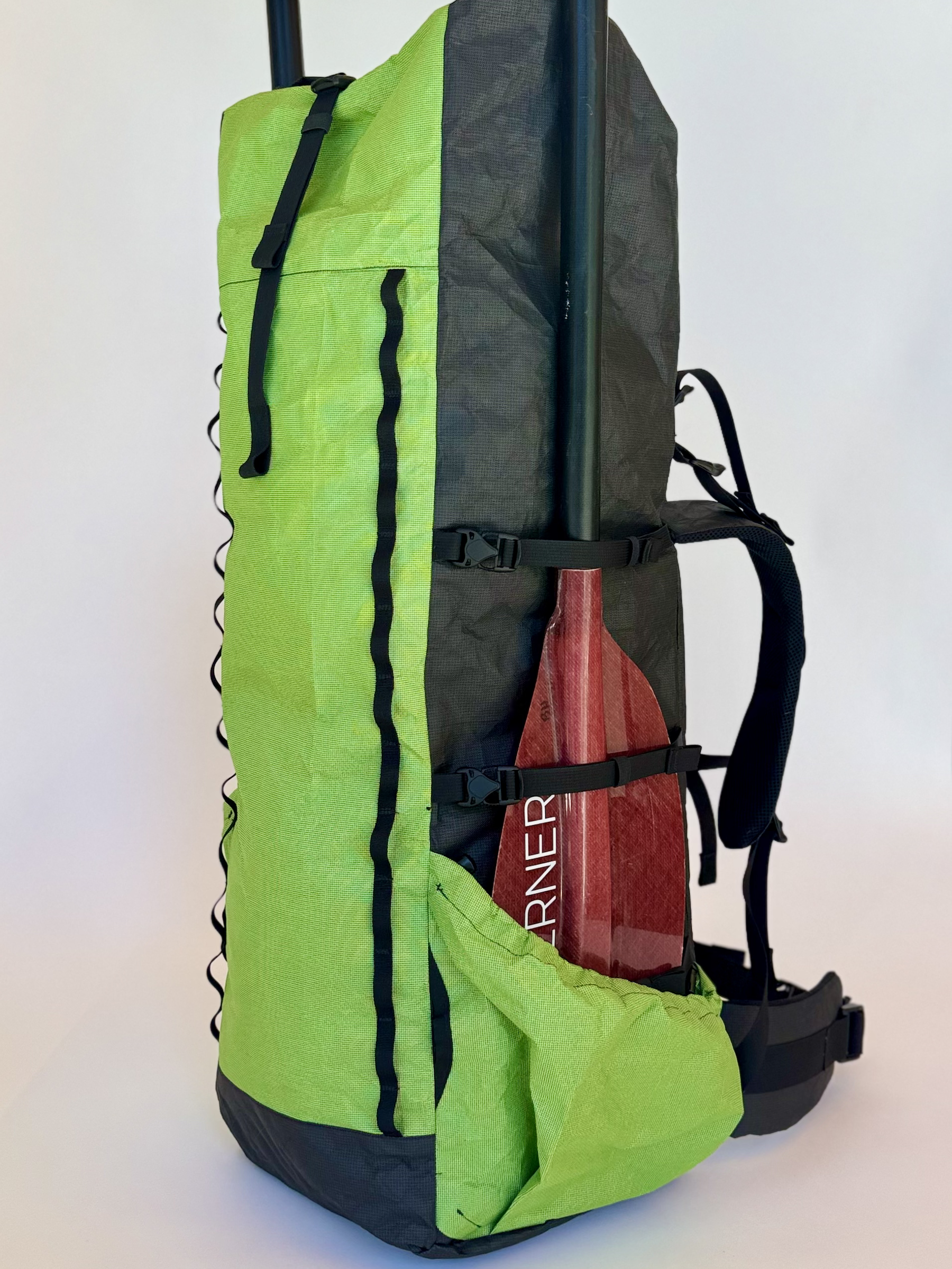
The lime green fabric on this 95L packrafting pack uses Ultra 200X while the black is Ultra 400X.
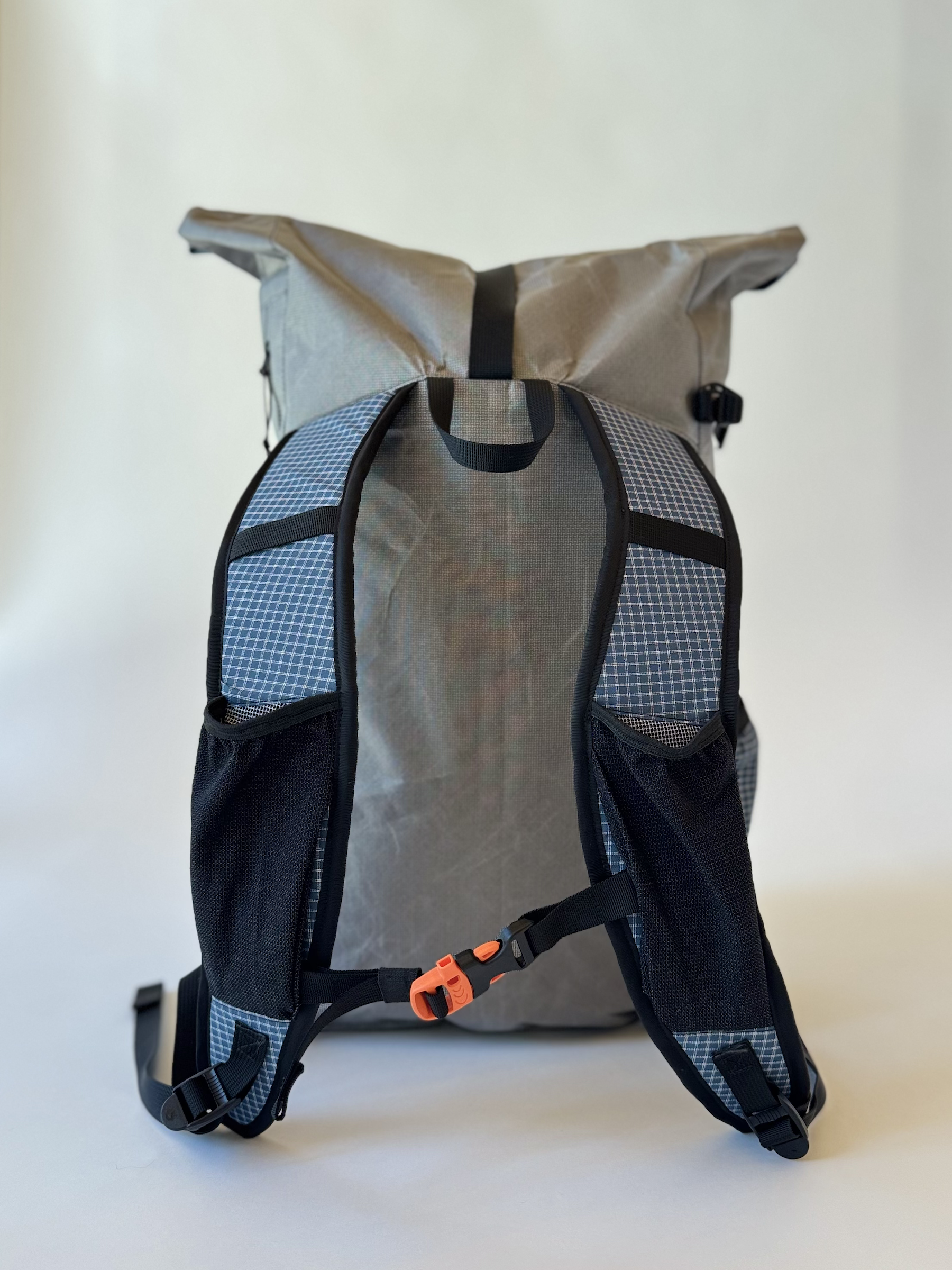
Challenge Ultra 200X in Silverado on this 25L bike commuting pack.
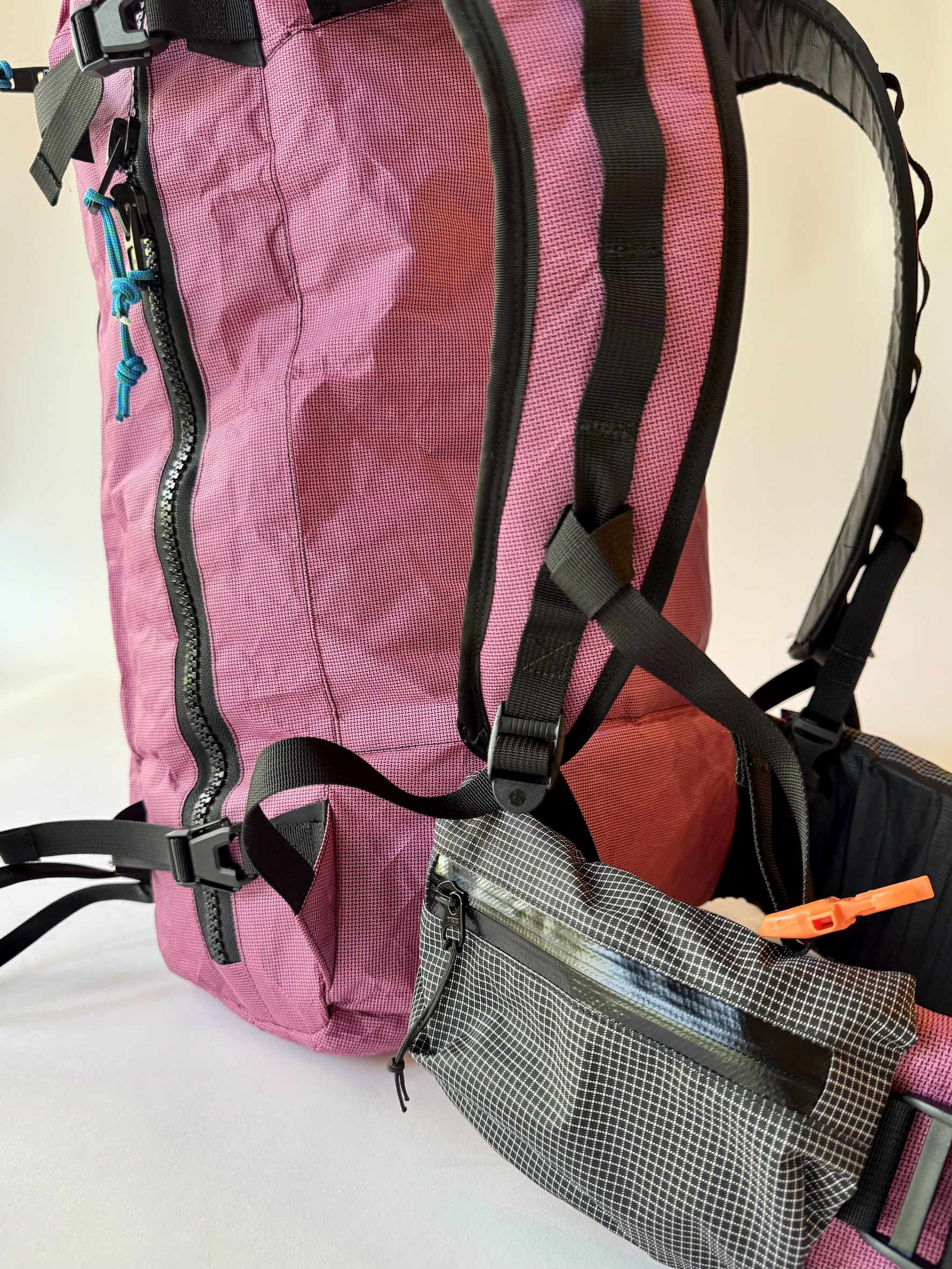
Challenge Ultra 200X in fuchsia raspberry on this 35L ski touring pack.
Challenge Ultra 200X color options:


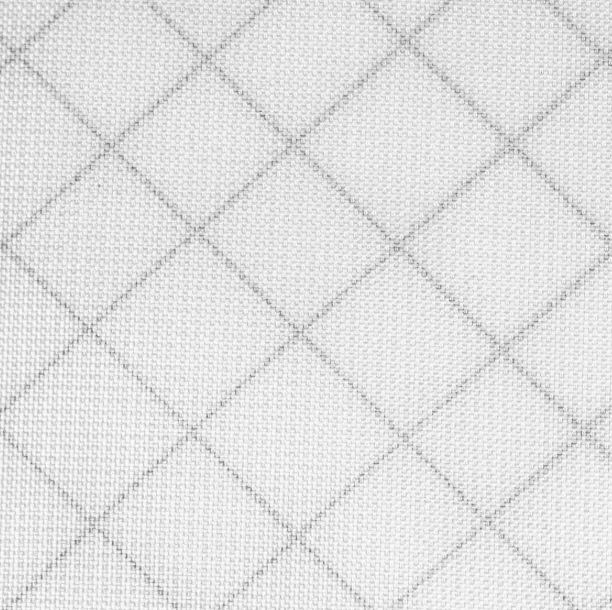
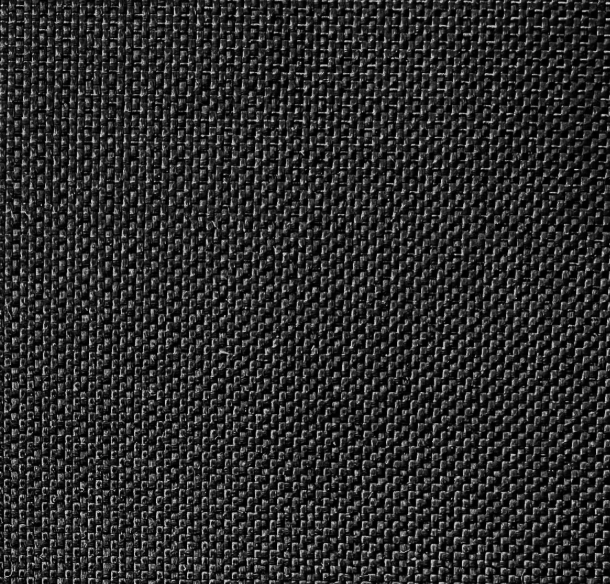




Challenge Ultra 400X (and 800X)
A more durable option that I recommend if you plan to put your pack through the ringer. This can also be paired nicely with 200X where the 400X is used on areas like the sides and back that might see a bit more abrasion than the front.
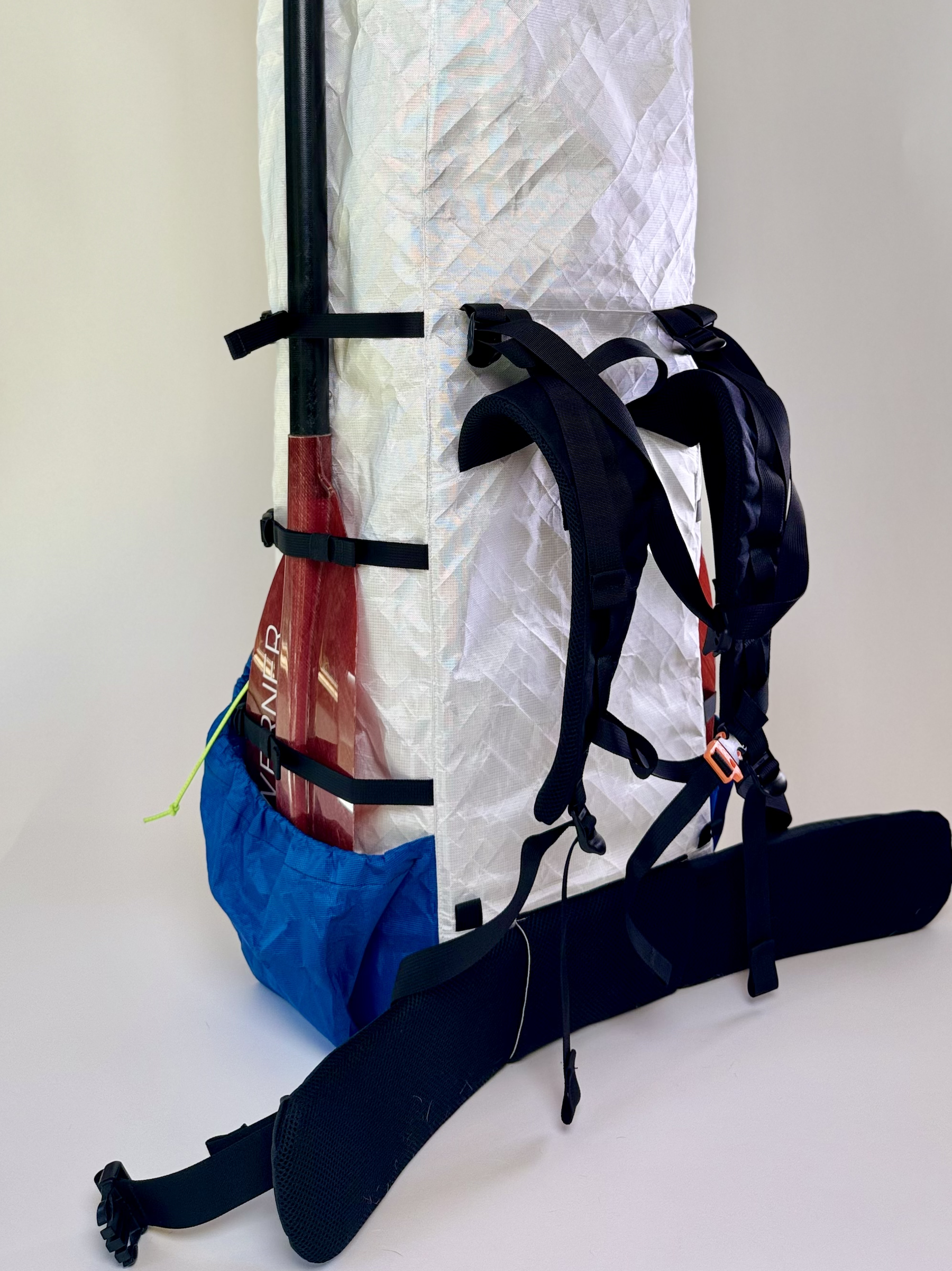
High volume packrafting and hiking pack that uses Challenge Ultra 400X (white) and Challenge Ultra 200X (blue) for the front and side pockets.
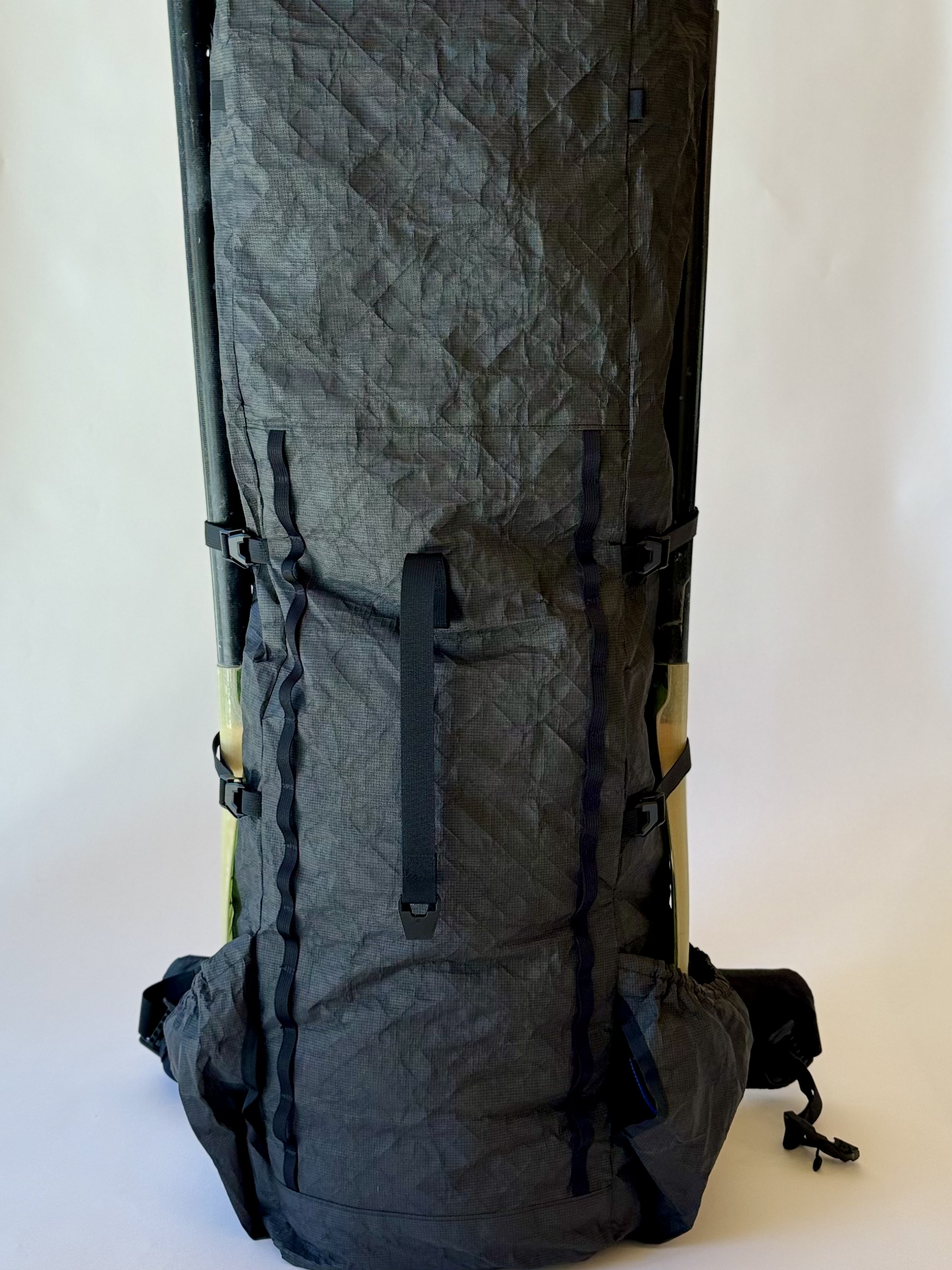
95L packrafting pack with Challenge Ultra 400X throughout.
Challenge Ultra 400X and 800X color options:


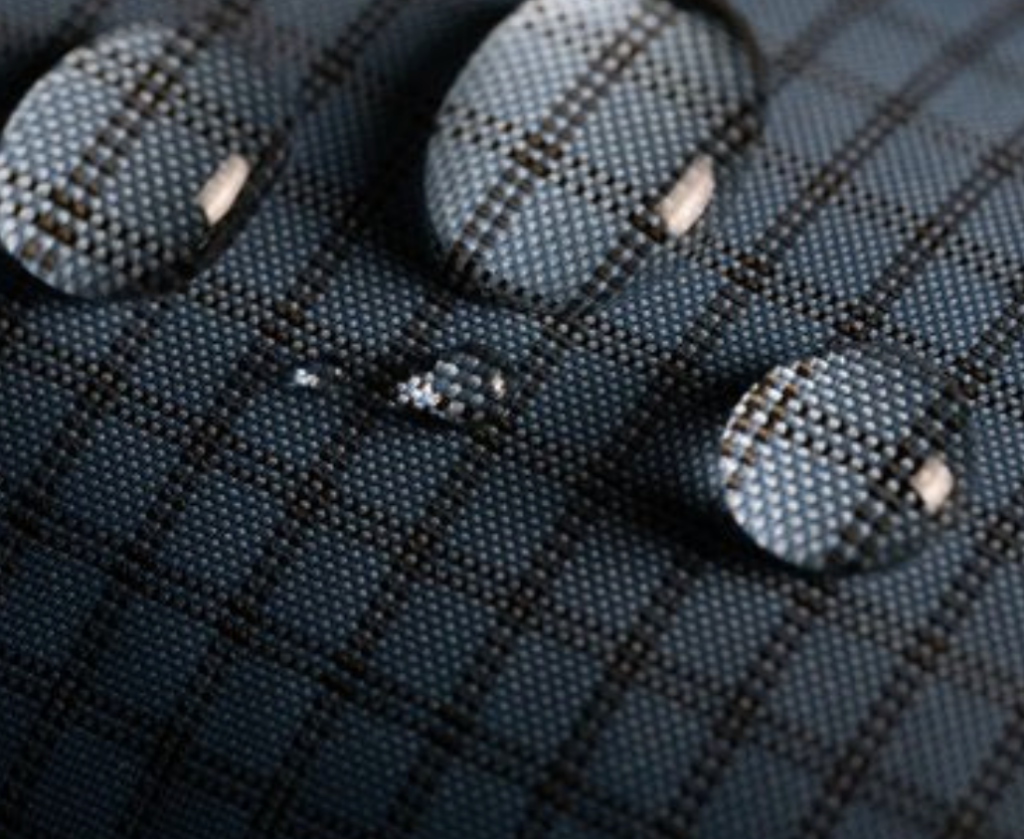
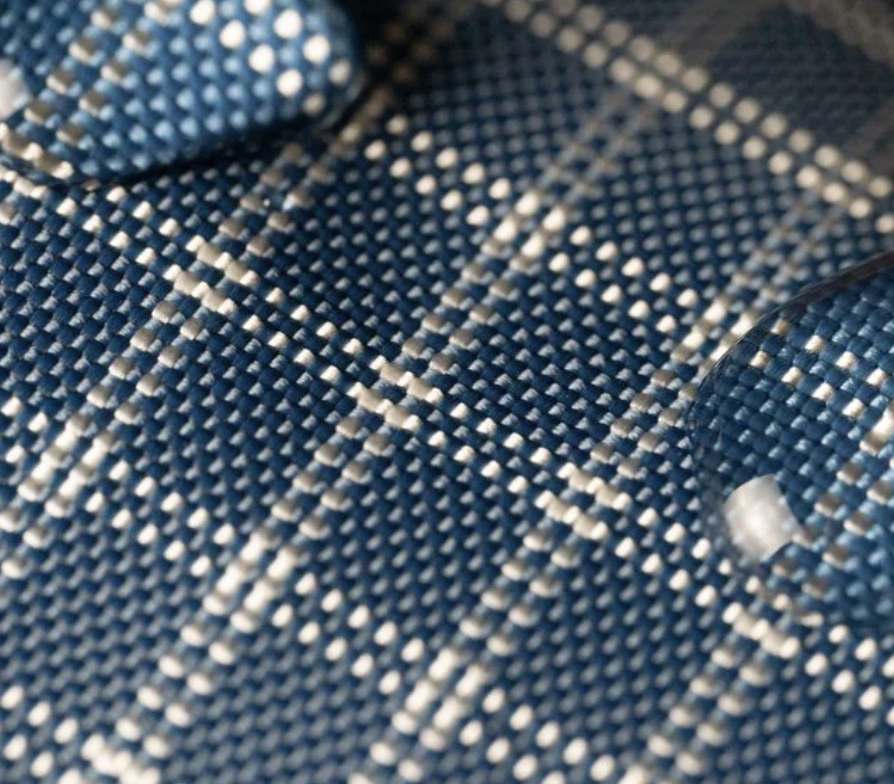
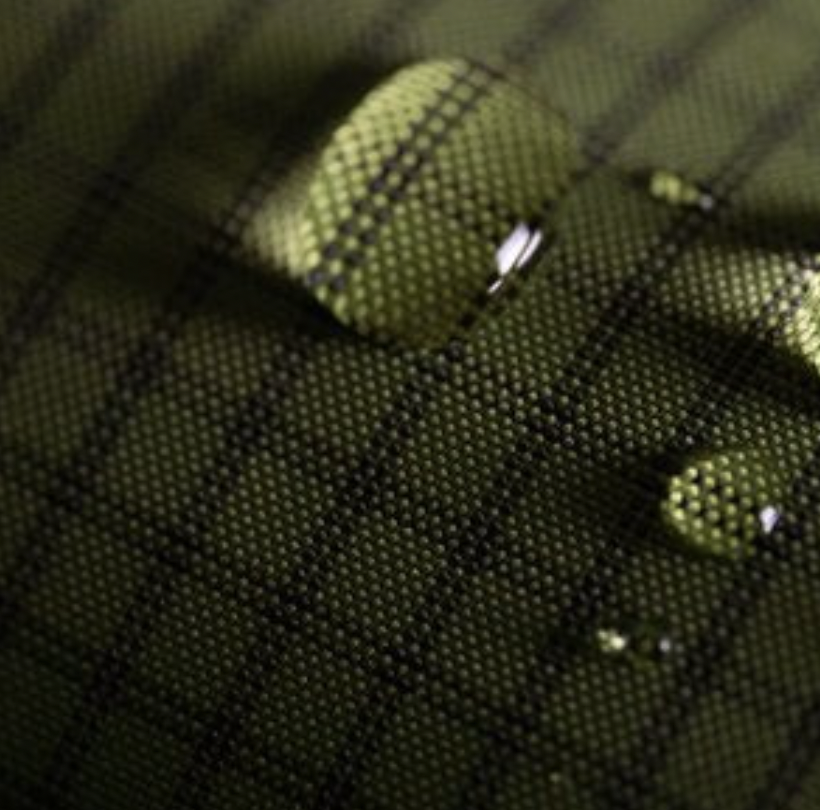
Challenge UltraGrid
Generally used for less abrasive parts of a pack or for a pack that doesn’t need to be quite as waterproof and durable. UltraGrid has a much smoother feel than the Ultra fabric and is not nearly as stiff.
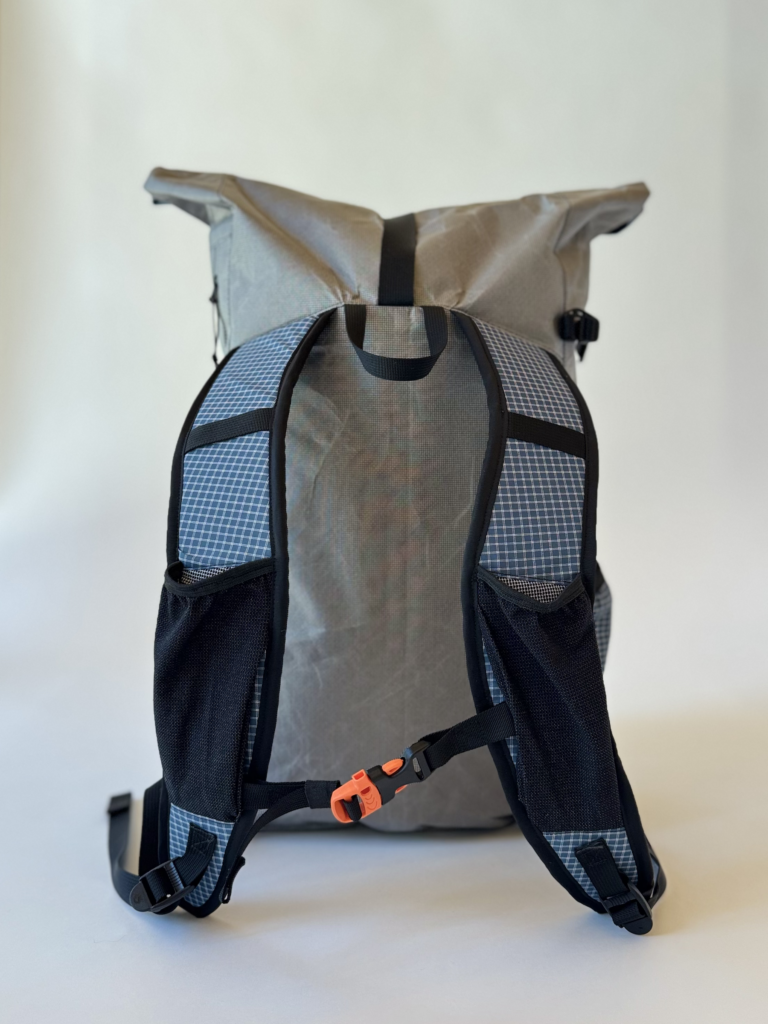
The straps on this bike commuting pack use a blue UltraGrid.
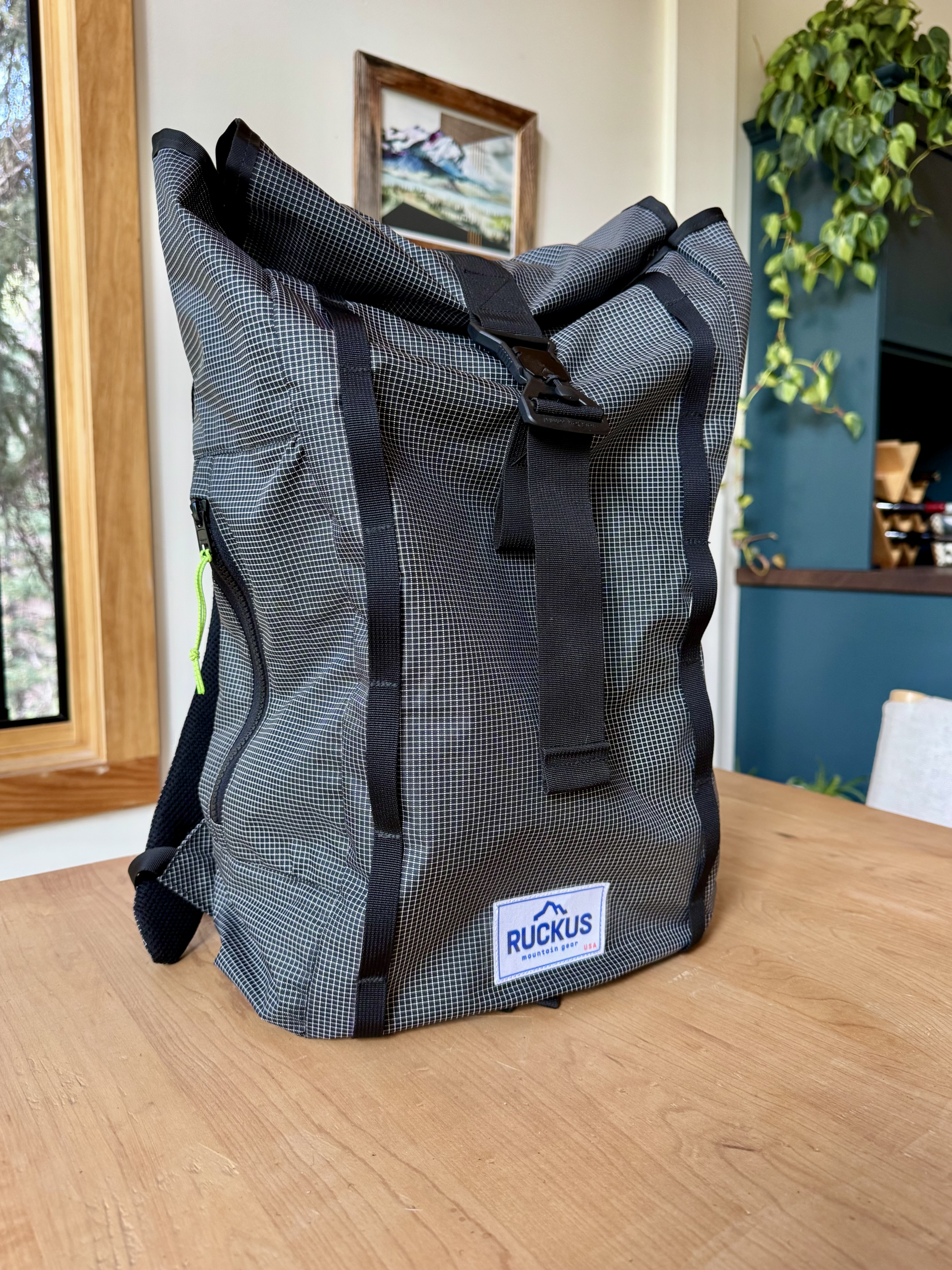
A 20L day hiking pack pack with black UltraGrid.
Challenge UltraGrid color options:
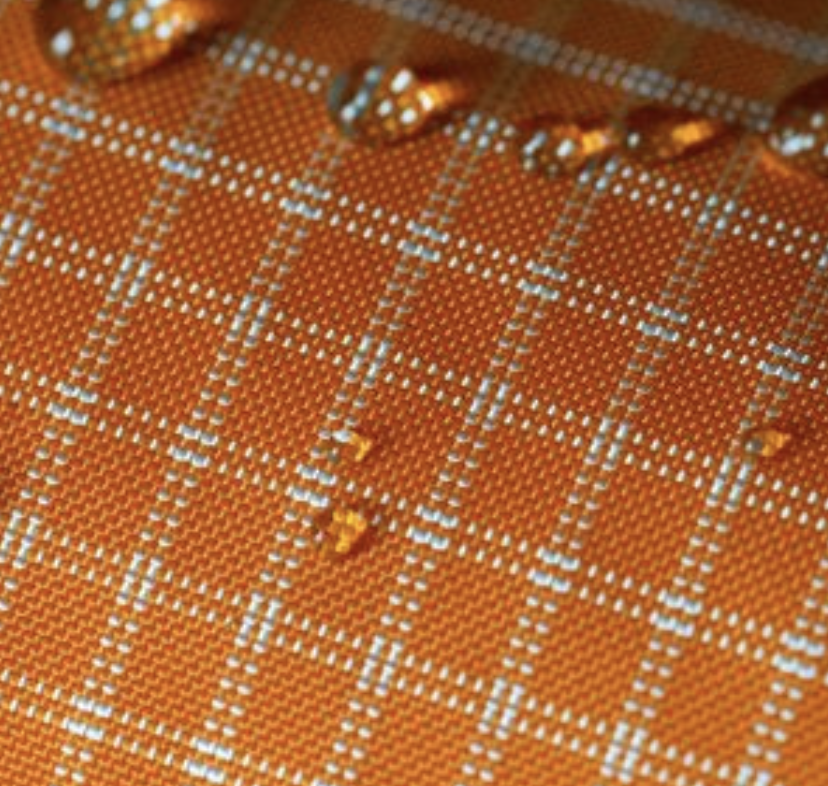
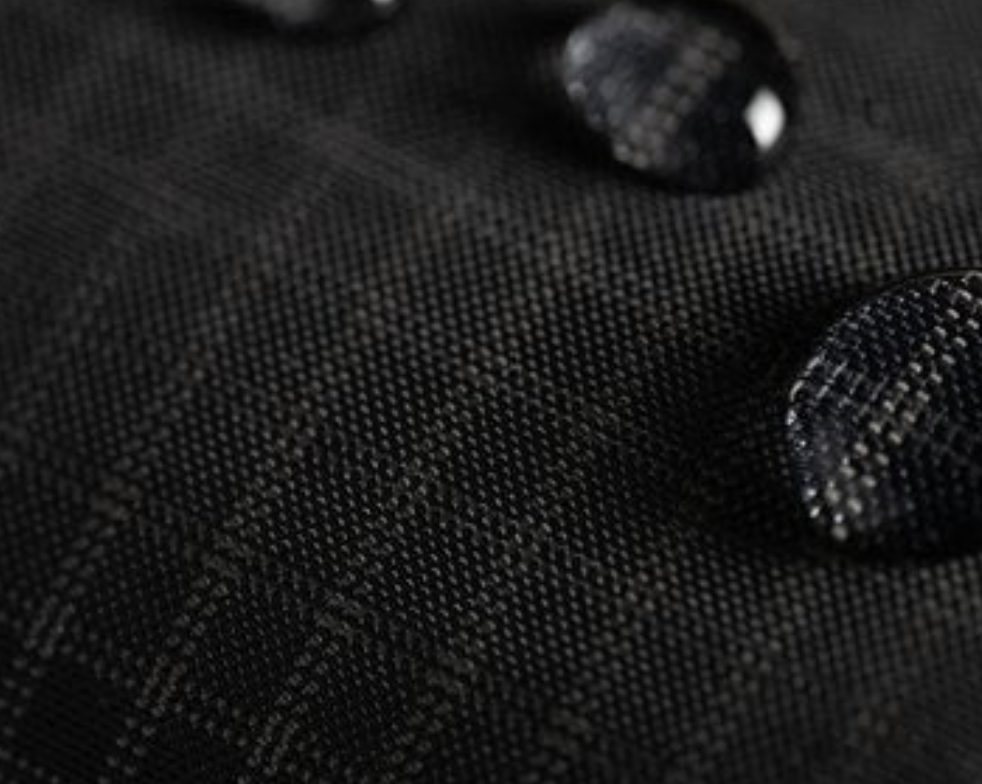
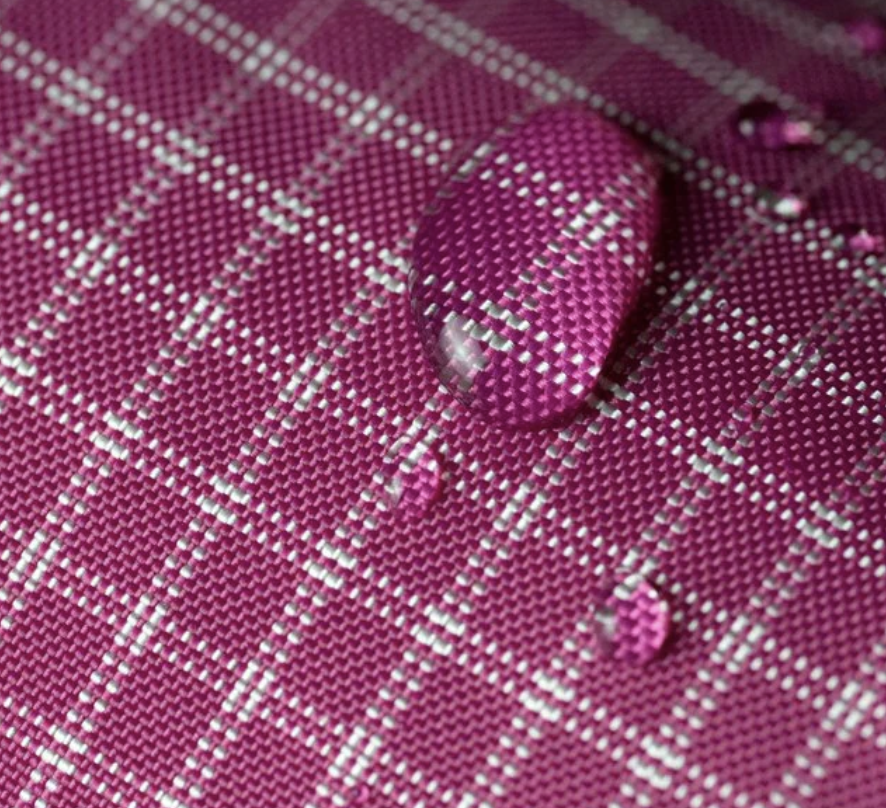
Other materials I use:
- Cordura 500D (for shoulder strap and hip belt outer facing fabric)
- Spacer mesh (for shoulder strap and hip belts – the part that touches you)
- Hypalon (for ski touring and splitboarding pack webbing protection and ice axe carry)